1. Carbohydrates:
* Sugars: Glucose, fructose, sucrose are the primary products of photosynthesis, providing energy for plant processes.
* Starch: A storage form of glucose, found in roots, tubers, and seeds.
* Cellulose: The main component of plant cell walls, providing structural support.
* Hemicellulose: A complex carbohydrate that binds to cellulose, further strengthening cell walls.
* Pectin: A gel-forming carbohydrate found in cell walls, contributing to cell adhesion.
2. Proteins:
* Enzymes: Catalyze biochemical reactions, essential for growth, metabolism, and defense.
* Structural proteins: Provide support and strength to cells and tissues.
* Storage proteins: Store nutrients like nitrogen for later use.
* Hormones: Regulate growth, development, and responses to environmental stimuli.
3. Lipids (fats and oils):
* Fatty acids: Building blocks of fats and oils, used for energy storage and membrane structure.
* Waxes: Waterproof coatings on leaves and fruits, preventing water loss.
* Steroids: Involved in membrane structure, hormone production, and defense mechanisms.
4. Pigments:
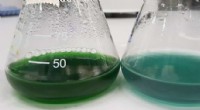
* Chlorophyll: Absorbs sunlight for photosynthesis, giving plants their green color.
* Carotenoids: Absorb light for photosynthesis and contribute to orange, yellow, and red colors.
* Anthocyanins: Contribute to purple, red, and blue colors, and may act as antioxidants.
5. Secondary Metabolites:
These compounds are not directly involved in basic metabolism but play important roles in plant survival and defense:
* Alkaloids: Nitrogen-containing compounds, often toxic to herbivores, used as defense mechanisms.
* Terpenes: Aromatic compounds with diverse functions, including defense against herbivores, attracting pollinators, and antimicrobial activity.
* Phenolics: Compounds with antioxidant properties, involved in defense, pigmentation, and structural support.
6. Hormones:
* Auxins: Promote cell elongation and root growth.
* Gibberellins: Stimulate stem elongation and seed germination.
* Cytokinins: Promote cell division and growth.
* Ethylene: Promotes fruit ripening and leaf senescence.
* Abscisic acid: Regulates seed dormancy and stress responses.
This is just a brief overview of the vast array of compounds that plants produce. The specific compounds and their amounts vary widely between different plant species, depending on their environment, genetics, and developmental stage. Studying these compounds helps us understand plant biology and develop new applications in medicine, agriculture, and industry.