Here's a breakdown:
The Traditional Definition of a Mineral:
* Naturally occurring: This is the key point of contention. Synthetic minerals are created in a lab, not by natural processes.
* Solid: Both natural and synthetic minerals are solid.
* Inorganic: Synthetic minerals, like their natural counterparts, are inorganic.
* Definite chemical composition: Both natural and synthetic minerals have a specific chemical formula.
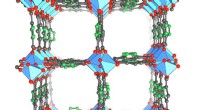
* Crystalline structure: Both natural and synthetic minerals have an ordered, repeating arrangement of atoms.
The Issue with the Definition:
The traditional definition of a mineral emphasizes its natural origin. Therefore, under this strict definition, synthetic minerals are not considered minerals.
But the definition is evolving:
Some scientists and mineralogists argue that the origin of a material shouldn't be the determining factor in defining it as a mineral. They emphasize the physical and chemical properties of the substance. In this view, synthetic minerals would be considered minerals because they possess all the other characteristics.
So, the answer is:
It depends on how you define "mineral."
* By the traditional definition: No.
* By a more inclusive definition: Yes.
Ultimately, the debate about synthetic minerals is more philosophical than scientific. There's no right or wrong answer, and the discussion is ongoing.