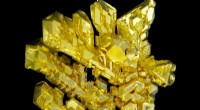
* Sulfur (S) is a chemical element. It's a yellow, non-metallic solid found naturally.
* Sulfate (SO₄²⁻) is a polyatomic ion, meaning it's a group of atoms with a net electrical charge. It consists of one sulfur atom bonded to four oxygen atoms.
Think of it like this:
* Sulfur is the building block.
* Sulfate is a molecule built from that block.
Sulfate is formed when sulfur combines with oxygen atoms. This happens in various chemical reactions, often in the presence of water.
Here are some important differences:
* State: Sulfur is a solid, while sulfate is an ion.
* Charge: Sulfur has no charge, while sulfate has a negative charge (2-).
* Chemical Properties: Sulfur and sulfate behave very differently in chemical reactions.
Examples:
* Sulfur: Found in things like coal, oil, and volcanoes.
* Sulfate: Found in salts like gypsum (calcium sulfate) and Epsom salt (magnesium sulfate).
Hopefully, this clarifies the difference between sulfur and sulfate!