1. Bonding Capacity:
* Carbon has four valence electrons, allowing it to form four covalent bonds. This allows carbon to form a vast array of molecules with different shapes and functionalities.
* The strength and stability of these covalent bonds make carbon-based molecules relatively stable and durable.
2. Ability to form Chains:
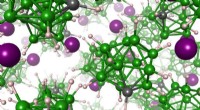
* Carbon atoms can bond with other carbon atoms, forming long chains, branches, and rings. This allows for the creation of complex and diverse molecules.
* This ability is crucial for the formation of macromolecules like carbohydrates, proteins, lipids, and nucleic acids, which are essential for life.
3. Versatility in Bonding:
* Carbon can bond with a wide range of other elements, including hydrogen, oxygen, nitrogen, sulfur, and phosphorus.
* This versatility allows for the formation of molecules with a wide range of properties, from simple sugars to complex enzymes.
4. Stability and Reactivity:
* Carbon-carbon bonds are relatively stable, but also reactive enough to participate in chemical reactions. This allows for the creation and breakdown of molecules necessary for life processes.
5. Ability to Create Isomers:
* Carbon's tetrahedral shape allows for the creation of multiple isomers (molecules with the same formula but different arrangements of atoms). This leads to a vast diversity of molecules with distinct properties and functions.
6. Essential for Biological Processes:
* Carbon is essential for:
* Energy storage and transfer: Carbohydrates and fats store energy, while ATP is the primary energy carrier in cells.
* Structural support: Cellulose and chitin provide structural support in plants and animals, respectively.
* Genetic information: DNA and RNA are composed of carbon, hydrogen, oxygen, nitrogen, and phosphorus.
* Catalysis: Enzymes, which catalyze biochemical reactions, are largely composed of proteins, which are chains of amino acids containing carbon.
In summary, carbon's unique properties of bonding capacity, chain formation, versatility, stability, and ability to create isomers make it the ideal element for building the complex and diverse molecules essential for life. No other element can match carbon's ability to create the vast array of molecules needed for the intricate processes of life.