Polarity is a measure of the uneven distribution of electron density in a molecule. The more uneven the distribution, the more polar the molecule.
Factors contributing to the higher polarity of water (H₂O):
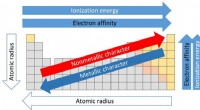
* Stronger electronegativity difference: Oxygen (O) is significantly more electronegative than hydrogen (H), creating a large difference in electron density between the oxygen atom and the hydrogen atoms.
* Bent molecular geometry: The bent shape of the water molecule allows for a greater separation of charge between the oxygen atom and the two hydrogen atoms, resulting in a stronger dipole moment.
Factors contributing to the lower polarity of hydrogen chloride (HCl):
* Smaller electronegativity difference: While chlorine (Cl) is more electronegative than hydrogen (H), the electronegativity difference is smaller than that between oxygen and hydrogen.
* Linear molecular geometry: The linear shape of the HCl molecule reduces the separation of charge, resulting in a weaker dipole moment.
Conclusion:
The combination of a larger electronegativity difference and a bent molecular geometry makes water (H₂O) a more polar molecule than hydrogen chloride (HCl).