* A. Formation of gas: This is a strong indicator. Gas bubbles forming in a solution, or a noticeable odor appearing where there wasn't one before, are signs of a chemical change.
* B. Constant temperature: This is NOT a clue of a chemical reaction. Chemical reactions can either release heat (exothermic) or absorb heat (endothermic). A constant temperature suggests no significant heat change.
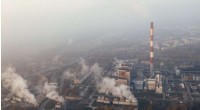
* C. Steam: Steam is water vapor, and its formation might be a result of a chemical reaction, but not always. Heating water to its boiling point (100°C) will also produce steam, which is a physical change, not a chemical one.
* D. Change in color: This is a good indicator, although not always definitive. Some chemical reactions involve the formation of new compounds with different colors.
Other important clues:
* Formation of a precipitate: A solid forming from a solution.
* Release of light or heat: Exothermic reactions generate heat or even light.
* Change in smell: New compounds often have distinct smells.
Important Note: Not all chemical reactions are easily observable. Some reactions occur slowly and have subtle changes.