Observable Changes:
* Color Change: A change in the color of the reactants or the formation of a new color altogether is a strong indicator. (Example: Mixing a clear solution of iron(III) chloride with a colorless potassium thiocyanate solution results in a blood-red solution.)
* Formation of a Precipitate: A solid forming from a solution (usually due to the mixing of two solutions). (Example: Mixing solutions of lead nitrate and potassium iodide results in a bright yellow precipitate of lead iodide.)
* Evolution of Gas: Bubbles forming in a solution or a gas being released. (Example: Adding baking soda to vinegar creates carbon dioxide gas.)
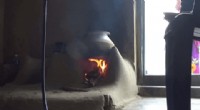
* Temperature Change: Heat being released (exothermic reaction, like burning wood) or absorbed (endothermic reaction, like dissolving ammonium nitrate in water).
* Light Emission (Luminescence): Some reactions emit light, like the glow sticks that produce light through a chemical reaction.
Less Obvious but Still Important:
* Change in Odor: A new smell may indicate the formation of new molecules.
* Change in Density: A change in the density of the substance (like the formation of a solid from a liquid).
* Change in Electrical Conductivity: Some reactions can cause changes in the ability of a substance to conduct electricity.
Important Note: It's important to remember that some of these changes can also be caused by physical changes (like melting ice), so observing one of these changes alone is not always conclusive evidence of a chemical reaction. It's best to look for multiple changes to confirm a chemical reaction has occurred.