1. Nitrogen Gas (N₂)
* The most common form of nitrogen found in the atmosphere. It's a diatomic molecule, meaning it consists of two nitrogen atoms bonded together.
2. Ammonia (NH₃)
* A colorless gas with a pungent odor. It's a crucial ingredient in fertilizers and is also used in the production of plastics and explosives.
3. Nitric Acid (HNO₃)
* A strong corrosive acid used in the production of fertilizers, explosives, and dyes.
4. Nitrous Oxide (N₂O)
* Also known as laughing gas, it's used as an anesthetic and as a propellant in whipped cream cans. It's also a potent greenhouse gas.
5. Nitrogen Dioxide (NO₂)
* A reddish-brown gas that contributes to acid rain and smog.
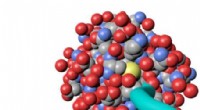
6. Proteins
* Essential for life, proteins are complex molecules made up of long chains of amino acids. All amino acids contain nitrogen.
7. Nucleic Acids (DNA and RNA)
* The building blocks of life, DNA and RNA contain nitrogenous bases (adenine, guanine, cytosine, and thymine or uracil) that are essential for storing and transmitting genetic information.
8. Nitrogen-Containing Organic Compounds
* Many organic compounds (those containing carbon) also contain nitrogen. Examples include:
* Amines: A class of organic compounds with a nitrogen atom bonded to one or more carbon atoms.
* Amides: Compounds derived from carboxylic acids by replacing the hydroxyl group with an amino group.
* Nitriles: Compounds containing a carbon-nitrogen triple bond.
Important Note: While these molecules always contain nitrogen, there are many other molecules that contain nitrogen as well. This list is not exhaustive.