1. Scrubbing:
* Aqueous solutions: This is the most common method. A basic solution, like calcium hydroxide (lime slurry) or sodium hydroxide (caustic soda), is used to react with sulfur dioxide, forming calcium sulfite or sodium sulfite respectively.
* Amine scrubbing: Amines, like monoethanolamine (MEA), are used to absorb sulfur dioxide from flue gases. The amine reacts with sulfur dioxide, forming a soluble compound that can be regenerated and reused.
2. Adsorption:
* Activated carbon: This porous material can adsorb sulfur dioxide from gas streams. It is particularly effective at low concentrations.
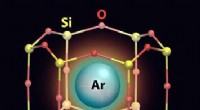
* Zeolites: These crystalline materials can also adsorb sulfur dioxide, with high selectivity and capacity.
3. Oxidation:
* Manganese dioxide: This is a strong oxidizing agent that can convert sulfur dioxide into sulfur trioxide. This method is often used in combination with other technologies.
4. Other methods:
* Biofiltration: This method uses microorganisms to remove sulfur dioxide from gases.
* Membrane separation: This method uses selective membranes to separate sulfur dioxide from other gases.
The best solution will depend on factors such as:
* Concentration of sulfur dioxide: High concentrations might require more robust scrubbing solutions.
* Temperature and pressure: The conditions can affect the efficiency of different methods.
* Desired purity: The chosen solution will depend on the final application and the required level of sulfur dioxide removal.
* Economic considerations: Cost-effectiveness is a crucial factor in choosing a solution.
It's important to note that the specific solution and its implementation will be tailored to the particular application. A thorough assessment of the conditions and requirements is essential to select the most effective and efficient solution.