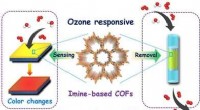
* Change in color: A change in color is often a visual cue that a reaction has taken place. For example, the rusting of iron involves a color change from silvery grey to reddish-brown.
* Formation of a precipitate: If a solid forms from a solution during a reaction, it's called a precipitate. This is a clear sign of a chemical change.
* Evolution of a gas: Bubbles forming in a reaction mixture indicate that a gas is being produced, suggesting a chemical reaction has occurred.
* Change in temperature: Chemical reactions can either release heat (exothermic) or absorb heat (endothermic), causing a change in the temperature of the reaction mixture.
* Change in odor: A change in smell can indicate a new substance has formed, a sign of a chemical reaction.
It's important to remember:
* Some of these indicators can be caused by physical changes as well. For example, a change in color could simply be due to a substance dissolving in a solvent.
* The best way to confirm a chemical reaction is to analyze the products of the reaction and compare them to the original reactants. This can be done using various analytical techniques like spectroscopy, chromatography, or mass spectrometry.
Therefore, a single indicator alone might not be conclusive evidence for a chemical reaction. It's best to look for a combination of these signs and, ideally, confirm the changes in the chemical composition of the substances involved.