Toxic gases are gases that are harmful to living organisms when inhaled, absorbed through the skin, or ingested. They can cause a range of health effects, from mild irritation to severe damage to organs and even death.
Here's a breakdown:
Key Features:
* Harmful to living organisms: They have a negative impact on health, often causing damage to cells and tissues.
* Gaseous state: They exist in the gaseous form at normal temperatures and pressures.
* Exposure routes: They can enter the body through inhalation, absorption, or ingestion.
Types of Toxic Gases:
There are many different types of toxic gases, each with its own specific properties and effects. Here are a few examples:
* Carbon monoxide (CO): A colorless, odorless gas that blocks oxygen transport in the blood.
* Hydrogen sulfide (H2S): A colorless, foul-smelling gas that can cause rapid breathing problems and even death.
* Sulfur dioxide (SO2): A colorless gas with a pungent odor that can irritate the respiratory system.
* Chlorine (Cl2): A yellowish-green gas with a strong, suffocating odor that can cause respiratory problems and eye irritation.
* Nitrogen dioxide (NO2): A reddish-brown gas with a sharp, sweet odor that can irritate the lungs and contribute to respiratory illnesses.
* Ammonia (NH3): A colorless gas with a pungent odor that can cause severe respiratory problems.
Health Effects:
The health effects of toxic gases vary depending on the gas, the concentration, and the duration of exposure. Common effects include:
* Respiratory problems: Coughing, wheezing, shortness of breath, pneumonia
* Cardiovascular problems: Heart palpitations, irregular heartbeat, heart attack
* Neurological problems: Dizziness, headaches, confusion, seizures
* Eye irritation: Burning, tearing, blurred vision
* Skin irritation: Redness, itching, blisters
* Death
Sources of Toxic Gases:
Toxic gases can be released from a variety of sources, including:
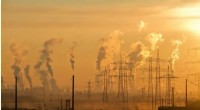
* Industrial processes: Manufacturing, chemical plants, power plants
* Combustion: Burning fossil fuels, fires
* Natural events: Volcanic eruptions, forest fires
* Everyday products: Cleaning supplies, pesticides, paints
Prevention and Protection:
To prevent exposure to toxic gases, it is important to:
* Be aware of potential hazards: Learn about the risks associated with your work or hobbies.
* Follow safety procedures: Use proper ventilation, wear personal protective equipment, and follow instructions on product labels.
* Monitor air quality: Use air quality monitors to detect the presence of toxic gases.
* Have a plan in place for emergencies: Know how to respond if you suspect a toxic gas release.
In case of exposure:
* Get fresh air immediately.
* Call emergency services.
* Follow the instructions of medical personnel.
Remember: If you suspect you have been exposed to a toxic gas, seek medical attention immediately. Early treatment can significantly improve your chances of a full recovery.