Chemical weathering is the process of breaking down rocks through chemical reactions. Here are some types of chemical weathering:
* Hydrolysis: The reaction of water with minerals in rocks, causing them to break down. This is a common process in the weathering of feldspars, which are abundant minerals in many rocks.
* Oxidation: The reaction of oxygen with minerals in rocks, causing them to change their chemical composition. For example, iron in rocks can oxidize to form rust, which is less stable than the original iron mineral.
* Carbonation: The reaction of carbon dioxide with water, forming carbonic acid. Carbonic acid can dissolve certain minerals, such as calcite, which is the main component of limestone.
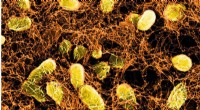
* Biological weathering: The breakdown of rocks by living organisms, such as plants, animals, and microorganisms. For example, roots of plants can pry apart rocks, and lichens can produce acids that dissolve rock.
So, all of these are examples of chemical weathering.