Oxidation in Chemistry
* Definition: Oxidation is a chemical process where a substance loses electrons. This often involves the gain of oxygen atoms or the loss of hydrogen atoms.
* Key Points:
* Loss of Electrons: The core concept is the loss of negatively charged electrons.
* Increase in Oxidation State: The element undergoing oxidation will have its oxidation number increase.
* Often with Oxygen: Oxygen is a very electronegative element, meaning it attracts electrons strongly. It often acts as an oxidizing agent, causing other substances to lose electrons.
State of NaNO3
* NaNO3: Sodium Nitrate This is an ionic compound, meaning it's formed by the electrostatic attraction between positively and negatively charged ions.
* Oxidation States:
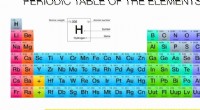
* Na (Sodium): +1 Sodium is in Group 1 of the periodic table, meaning it typically loses one electron to form a +1 cation.
* N (Nitrogen): +5 Nitrogen is in a more complex situation. In nitrate (NO3-), the overall charge is -1, and oxygen has a -2 oxidation state (typically). To balance this, nitrogen must have a +5 oxidation state.
* O (Oxygen): -2 Oxygen is in Group 16, and typically forms a -2 anion.
Oxidation in NaNO3
* No Oxidation or Reduction: The oxidation states of the elements in NaNO3 are already fixed. The compound is in a stable state, with no further transfer of electrons happening within the compound itself.
In Summary
While oxidation is a fundamental concept in chemistry, it's not happening within the stable structure of NaNO3. The compound itself exists in a balanced state with defined oxidation numbers.