* Not of biological origin: Unlike organic rocks (like coal, which forms from decayed plants), inorganic rocks don't originate from the remains of living things.
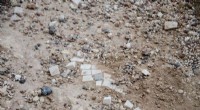
* Mineral composition: They are made up of one or more minerals, which are naturally occurring, solid inorganic compounds with a defined chemical composition and crystal structure.
* Naturally occurring: Inorganic rocks are formed through geological processes, not manufactured.
* Solid: They have a definite shape and volume, unlike liquids or gases.
Examples of inorganic rocks:
* Igneous rocks: Formed from the cooling and solidification of magma (molten rock) or lava, such as granite, basalt, and obsidian.
* Sedimentary rocks: Formed from the accumulation and cementation of sediments, such as sandstone, limestone, and shale.
* Metamorphic rocks: Formed when existing rocks are transformed by heat, pressure, or chemical reactions, such as marble, slate, and gneiss.
In short, inorganic rocks are the building blocks of the Earth's crust and are essential components of our planet's geology.