1. Energy Production and Utilization:
* Breakdown of nutrients: Your body breaks down carbohydrates, fats, and proteins into smaller molecules, releasing energy stored in their chemical bonds. This energy is used for various processes like muscle contraction, nerve impulses, and maintaining body temperature.
* ATP production: This energy is captured and stored in a molecule called adenosine triphosphate (ATP), which acts as the body's energy currency.
* Energy utilization: ATP is then used to power various cellular functions like building new molecules, transporting substances across cell membranes, and contracting muscles.
2. Building and Maintaining Structures:
* Synthesis of macromolecules: Your body uses smaller molecules to build complex structures like proteins, carbohydrates, lipids (fats), and nucleic acids (DNA and RNA). These molecules are essential for building and repairing tissues, organs, and cells.
* Growth and development: These synthesis processes are crucial for growth, development, and maintaining the integrity of your body.
3. Regulation and Communication:
* Hormone production: Chemical reactions create hormones that act as messengers, controlling various bodily functions like growth, metabolism, mood, and reproduction.
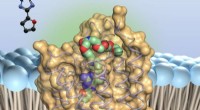
* Enzyme production: Enzymes are proteins that act as catalysts, speeding up chemical reactions without being consumed. They regulate virtually every metabolic process in the body.
* Neurotransmitter production: Chemical reactions create neurotransmitters that allow communication between nerve cells, facilitating thought, movement, and sensory perception.
4. Detoxification and Waste Removal:
* Metabolic byproducts: Many chemical reactions produce waste products, such as carbon dioxide, urea, and ammonia.
* Waste removal: Your body uses chemical reactions to filter and remove these waste products through processes like breathing, urination, and defecation.
* Detoxification: Specialized enzymes and pathways break down and eliminate toxins from the body.
5. Defense and Immunity:
* Immune response: Chemical reactions are vital for activating immune cells, producing antibodies, and fighting off infections.
* Inflammation: Chemical reactions orchestrate the inflammatory response, a protective mechanism that helps the body heal from injury or infection.
In essence, the chemical reactions in your body are the foundation of life. They are interconnected and finely regulated, ensuring your body functions properly and maintains its delicate balance.