1. Bonding Type:
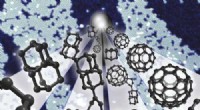
* Diamond: Diamond is held together by strong covalent bonds. Each carbon atom shares electrons with four other carbon atoms, forming a rigid, three-dimensional network structure. These covalent bonds are incredibly strong and require a lot of energy to break.
* Sodium chloride: Sodium chloride is held together by ionic bonds. Sodium (Na) atoms lose an electron to become positively charged ions (Na+), while chlorine (Cl) atoms gain an electron to become negatively charged ions (Cl-). These oppositely charged ions attract each other, forming an ionic crystal lattice. While ionic bonds are stronger than intermolecular forces, they are significantly weaker than covalent bonds.
2. Crystal Structure:
* Diamond: Diamond's covalent network structure extends throughout the entire crystal, making it extremely rigid and resistant to breakage.
* Sodium chloride: Sodium chloride has a more loosely packed crystal lattice structure, where ions are arranged in a regular pattern. This structure is less stable and can be broken down more easily.
3. Electronic Configuration:
* Diamond: The strong covalent bonds in diamond create a very stable electronic configuration with all valence electrons participating in bonding. This makes it difficult to disrupt the structure and melt the material.
* Sodium chloride: In sodium chloride, the ions have relatively loosely held electrons, which can be more easily disrupted by thermal energy, leading to a lower melting point.
4. Van der Waals Forces:
* Diamond: No significant van der Waals forces are present in diamond due to the strong covalent bonding.
* Sodium chloride: While ionic bonds are the primary force in sodium chloride, weaker van der Waals forces between the ions also contribute to the crystal's stability. These forces are relatively weak and can be easily overcome by thermal energy.
In summary, the strong covalent bonding, rigid network structure, and stable electronic configuration of diamond make it significantly more resistant to melting than sodium chloride, which is held together by weaker ionic bonds and has a more loosely packed crystal lattice structure.