Here's a breakdown of their work:
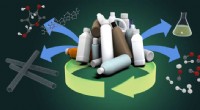
* Environmental Chemistry: It's a branch of chemistry that focuses on the chemical processes occurring in the environment.
* Focus: They study the fate and transport of pollutants, the effects of chemicals on living organisms and ecosystems, and the development of strategies to minimize environmental damage.
* Key Areas: Environmental chemists may focus on:
* Air pollution: Studying the sources, reactions, and effects of pollutants in the air.
* Water pollution: Investigating the sources, transport, and impacts of contaminants in water bodies.
* Soil contamination: Analyzing the presence and effects of pollutants in soil.
* Climate change: Examining the role of chemical reactions in climate change and developing strategies to mitigate its effects.
Other related fields and professionals who work with environmental impacts of substances include:
* Ecotoxicologists: They study the toxic effects of chemicals on living organisms and ecosystems.
* Environmental Engineers: They design and implement solutions to environmental problems, including the development of technologies to reduce pollution.
* Environmental Scientists: They study a broad range of environmental issues, including the impact of chemicals on the environment.
The work of environmental chemists and related professionals is crucial to protecting our planet and ensuring a healthy and sustainable future.