Here's how DDAC works:
1. Micelle Formation:
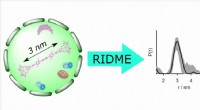
- In aqueous solutions, DDAC molecules self-assemble into micelles. The hydrophobic tails cluster together in the center of the micelle, while the hydrophilic heads point outwards and interact with the water molecules.
- These micelles are important for DDAC's ability to interact with and remove dirt and grime.
2. Disrupting Cell Membranes:
- DDAC's positive charge interacts with the negatively charged phospholipid bilayer of cell membranes. This interaction disrupts the membrane's structure, leading to cell lysis (rupture).
3. Binding to Surfaces:
- DDAC molecules can also bind to negatively charged surfaces like those found in bacteria, viruses, and fungi. This binding disrupts their normal functioning and can lead to inactivation.
Applications of DDAC:
DDAC's properties make it a versatile compound with various applications, including:
- Antimicrobial Agent: DDAC is effective against a wide range of bacteria, viruses, and fungi, making it a valuable ingredient in disinfectants, sanitizers, and antiseptics.
- Biocide: DDAC is used to control the growth of microorganisms in industrial processes, such as in paper mills, textile production, and water treatment plants.
- Surfactant: DDAC can be used in various industrial applications, including detergents, fabric softeners, and hair conditioners.
Safety Concerns:
- DDAC is generally considered safe for use in low concentrations, but it can be irritating to the skin, eyes, and respiratory system.
- It's important to follow the manufacturer's instructions and use DDAC with appropriate safety measures.
In summary:
Didecyl dimethyl ammonium chloride works by forming micelles that can disrupt cell membranes, bind to surfaces, and effectively kill or inhibit microorganisms. It finds wide use as an antimicrobial agent, biocide, and surfactant in various industrial and consumer products.