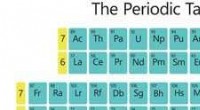
* Electron Configuration: Chlorine has seven electrons in its outermost shell, which means it needs just one more electron to achieve a stable octet configuration like the noble gases. This makes it highly eager to gain an electron.
* High Electronegativity: Chlorine has a high electronegativity, meaning it has a strong attraction for electrons. This makes it readily accept electrons from other atoms to form chemical bonds.
* Small Atomic Radius: Chlorine has a relatively small atomic radius, which means its nucleus exerts a stronger attraction on electrons compared to larger atoms. This makes it easier for chlorine to gain an electron and complete its octet.
* Presence of Empty d-Orbitals: Chlorine has empty d-orbitals, which can accommodate extra electrons. This allows it to form more than one bond with other atoms, further increasing its reactivity.
Consequences of Reactivity:
Chlorine's high reactivity makes it a strong oxidizing agent, meaning it readily accepts electrons from other substances, causing them to be oxidized. This is why chlorine is used in many applications like:
* Disinfectant: Chlorine kills bacteria and viruses by oxidizing their essential components.
* Bleach: Chlorine bleaches fabrics by oxidizing colored compounds, breaking them down to colorless substances.
* Production of Plastics and Polymers: Chlorine reacts with hydrocarbons to form chlorinated hydrocarbons, which are used in the production of plastics and polymers.
Safety Considerations:
Due to its high reactivity, chlorine gas is toxic and corrosive. It can cause severe respiratory problems and skin irritation. Therefore, it is crucial to handle chlorine with appropriate safety precautions, including using proper ventilation and personal protective equipment.