1. Simplest Element:
- Hydrogen has the simplest atomic structure, consisting of just one proton and one electron. This makes it the lightest element on the periodic table.
2. Abundance:
- Hydrogen is the most abundant element in the universe, making up about 75% of its total mass. It's found in stars, planets, and even water on Earth.
3. Versatile Reactivity:
- Hydrogen can react with many other elements to form a wide variety of compounds. It can be both an oxidizing and reducing agent, depending on the reaction.
4. Fuel Potential:
- Hydrogen is considered a promising clean energy source, as its combustion only produces water, with no greenhouse gas emissions. This makes it a potential alternative to fossil fuels.
5. Unique Bonding:
- Hydrogen can form unusual bonds, like hydrogen bonds, which are crucial in biological systems and chemical reactions.
6. Isotopes:
- Hydrogen has three isotopes: protium (most common), deuterium (heavy hydrogen), and tritium (radioactive). These isotopes have distinct properties and applications.
7. Quantum Behavior:
- Due to its small size, hydrogen exhibits significant quantum mechanical effects, making it a fascinating subject of study in quantum physics.
8. Role in Acid-Base Chemistry:
- Hydrogen ions (H+) play a fundamental role in acid-base chemistry, determining the acidity or basicity of a solution.
9. Industrial Applications:
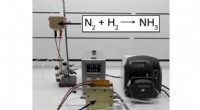
- Hydrogen is used in many industrial processes, including ammonia production, oil refining, and the production of various chemicals.
10. Medical Applications:
- Deuterium and tritium have applications in medical imaging and nuclear medicine.
Overall, hydrogen's unique properties make it a crucial element in various fields, from astrophysics to chemistry to medicine. Its potential as a clean energy source also makes it a focus of ongoing research and development.