Here are some key characteristics of a homogeneous mixture:
* Uniform appearance: You can't see the individual components of the mixture with the naked eye.
* Uniform composition: The ratio of components is the same throughout the mixture.
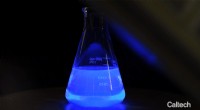
* Single phase: The mixture exists in a single state of matter, like a liquid, solid, or gas.
Examples of Homogeneous Mixtures:
* Saltwater: Salt dissolves completely in water, creating a uniform solution.
* Air: A mixture of gases like nitrogen, oxygen, and carbon dioxide, where each gas is evenly distributed.
* Sugar in water: Sugar dissolves in water, creating a uniform solution.
* Steel: An alloy of iron and carbon, where the components are evenly dispersed.
Key Differences from Heterogeneous Mixtures:
Homogeneous mixtures differ from heterogeneous mixtures in that the components of a heterogeneous mixture are not evenly distributed and can be easily distinguished. For example, sand and water make a heterogeneous mixture because the sand particles settle at the bottom, creating a visible separation.
Let me know if you have any further questions about homogeneous mixtures!