Here's a breakdown:
1. Kinetic Energy: Molecules within a liquid are constantly in motion, possessing kinetic energy.
2. Surface Molecules: Molecules at the surface of a liquid experience weaker intermolecular forces compared to those in the bulk of the liquid.
3. Energy Absorption: Surface molecules can absorb energy from their surroundings, such as heat or collisions with other molecules.
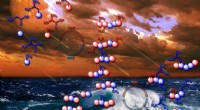
4. Overcoming Intermolecular Forces: As these surface molecules gain sufficient kinetic energy, they overcome the attractive forces holding them in the liquid state.
5. Escape into Gas Phase: The molecules with enough energy escape the liquid surface and enter the gaseous phase, becoming vapor.
Factors Affecting Evaporation:
* Temperature: Higher temperatures lead to increased kinetic energy, increasing evaporation rate.
* Surface Area: Larger surface areas expose more molecules to the surrounding environment, enhancing evaporation.
* Intermolecular Forces: Liquids with weaker intermolecular forces evaporate more readily.
* Air Movement: Moving air carries away vapor molecules, reducing the concentration of vapor above the liquid and encouraging further evaporation.
Evaporation is an important process in nature, contributing to the water cycle and influencing climate patterns.