Here's why:
* CH₃COO⁻ represents the acetate ion.
* The CH₃ part is the methyl group.
* COO⁻ is the carboxylate group, which is the defining feature of carboxylic acids and their salts. The negative charge indicates it has lost a proton (H+).
Here's a breakdown:
* Acetic acid: CH₃COOH (This is the carboxylic acid form)
* Acetate ion: CH₃COO⁻ (This is the deprotonated form)
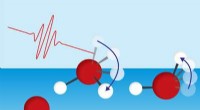
The acetate ion (CH₃COO⁻) is formed when acetic acid loses a proton (H+). This often happens in aqueous solutions or when it reacts with a base.