Understanding the Players:
* Potassium (K): An alkali metal, potassium has one electron in its outermost shell (valence electron). It readily loses this electron to achieve a stable, filled outer shell.
* Chlorine (Cl): A halogen, chlorine has seven electrons in its outermost shell. It needs one more electron to achieve a stable, filled outer shell.
The Ionic Bond Formation:
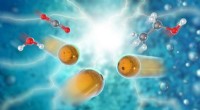
1. Electron Transfer: When potassium and chlorine atoms come close, potassium's single valence electron is transferred to chlorine's outer shell.
2. Ion Formation:
* Potassium, having lost an electron, becomes a positively charged ion (K+).
* Chlorine, having gained an electron, becomes a negatively charged ion (Cl-).
3. Electrostatic Attraction: The oppositely charged ions (K+ and Cl-) are attracted to each other due to electrostatic forces. This strong attraction forms an ionic bond.
4. Formation of KCl: The electrostatic attraction between the potassium and chloride ions creates a stable crystalline structure called potassium chloride (KCl). This structure is held together by the strong forces between the oppositely charged ions.
Key Points:
* Ionic bonds are formed by the complete transfer of electrons between atoms.
* The resulting ions are held together by electrostatic attraction.
* Ionic compounds typically have high melting and boiling points due to the strong ionic bonds.
* Potassium chloride is a common salt used in various applications, including fertilizers and food additives.
In summary: The strong electrostatic attraction between the positively charged potassium ion (K+) and the negatively charged chloride ion (Cl-) creates the ionic bond in potassium chloride (KCl).