* Polar Molecule: A molecule where the electrons are not shared equally between the atoms. This creates a separation of charge, with one end of the molecule slightly positive and the other slightly negative.
* Partial Negative Charge: This occurs on the atom that attracts electrons more strongly in a covalent bond. This atom will have a slightly higher electron density, making it slightly negative.
Example:
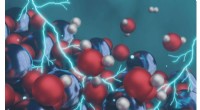
* Water (H₂O): Oxygen is more electronegative than hydrogen. This means it pulls the shared electrons in the covalent bonds closer to itself. The oxygen atom develops a partial negative charge (δ-) while the hydrogen atoms develop partial positive charges (δ+).
How to Identify:
* Electronegativity: Look for a molecule with atoms that have a significant difference in electronegativity. The more electronegative atom will have the partial negative charge.
* Molecular Geometry: The shape of the molecule also plays a role. A molecule with a bent or asymmetrical shape is more likely to be polar.
Examples of Polar Molecules with Partial Negative Charges:
* Ammonia (NH₃): Nitrogen has a partial negative charge.
* Hydrogen Fluoride (HF): Fluorine has a partial negative charge.
* Ethanol (C₂H₅OH): Oxygen has a partial negative charge.
Let me know if you want more examples or have specific elements in mind!