* Chemical Bonding: In a compound, the elements are chemically bonded together. This means the atoms of the different elements share or transfer electrons, creating a new substance with unique properties.
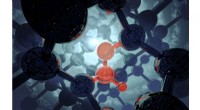
* Fixed Ratio: The elements in a compound are always present in a fixed, definite ratio. For example, water (H₂O) always has two hydrogen atoms for every one oxygen atom.
* New Properties: Compounds have different properties than the elements that make them up. For instance, sodium (Na) is a soft, reactive metal, and chlorine (Cl) is a poisonous gas. But when they combine to form sodium chloride (NaCl), they form a stable, edible compound called table salt.
In contrast, a mixture:
* No Chemical Bonding: Elements in a mixture are not chemically bonded. They are simply physically combined.
* Variable Ratio: The ratio of components in a mixture can vary. For example, you can have a mixture of sand and water with different proportions of each.
* Retains Original Properties: The components of a mixture retain their original properties.
Here's a simple way to remember the difference:
* Compound: A new substance created by chemically combining elements.
* Mixture: A combination of substances that are not chemically bonded.
Let me know if you have any other questions!