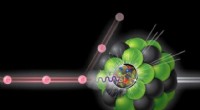
* Neutral Chlorine: A neutral chlorine atom has 17 protons (positive charge) and 17 electrons (negative charge).
* Gaining an Electron: When chlorine gains an electron, it now has 18 electrons but still only 17 protons.
* Net Charge: Since there's one more electron than protons, the net charge becomes -1.
This process is called ionic bonding, where one atom (in this case, sodium) loses an electron and another atom (chlorine) gains that electron. This results in the formation of ions with opposite charges, which then attract each other.