Platinum extraction is a complex process that involves several steps, each with its own unique challenges. The process can be broadly divided into three main stages:
1. Mining:
* Primary Extraction: This involves mining platinum-bearing ore from the earth, usually found in layered mafic-ultramafic intrusions (like the Bushveld Complex in South Africa).
* Secondary Extraction: This involves extracting platinum from various industrial byproducts, including automotive catalytic converters, electronic waste, and industrial residues.
2. Ore Processing:
* Crushing and Grinding: The mined ore is first crushed into smaller pieces and then ground into a fine powder to liberate the platinum.
* Concentration: The platinum concentrate is separated from the bulk of the ore using various methods like:
* Gravity Concentration: Heavier platinum particles settle at the bottom of a water-based slurry.
* Froth Flotation: Platinum particles are attached to air bubbles and floated to the surface, forming a concentrate.
* Magnetic Separation: Platinum is non-magnetic, allowing for separation from magnetic minerals.
* Roasting: This step removes sulfur and other impurities from the concentrate.
3. Refining:
* Hydrometallurgical Treatment: The platinum concentrate is dissolved in a mixture of strong acids (like aqua regia) and various reagents to separate it from other metals.
* Electrolytic Refining: The platinum solution is electrolyzed, causing the platinum to deposit onto an electrode, resulting in high-purity platinum.
* Fire Refining: This step removes any remaining impurities by melting the platinum and using fluxes to remove unwanted metals.
Specific Techniques:
* The Johnson Matthey Process: This process involves dissolving the platinum concentrate in aqua regia and then precipitating it as ammonium chloroplatinate. This precipitate is then filtered and heated to produce pure platinum.
* The Caron Process: This process involves dissolving the platinum concentrate in a molten lead bath and then oxidizing the platinum to form platinum oxide, which is then collected and reduced to pure platinum.
Environmental Considerations:
The extraction and refining processes are often associated with environmental concerns, including:
* Air Pollution: Emissions from the mining, crushing, roasting, and refining processes can release harmful gases into the atmosphere.
* Water Pollution: The use of acids and other chemicals can contaminate water sources if not properly managed.
* Waste Management: Large amounts of waste are generated throughout the process, requiring careful disposal or recycling.
Future Outlook:
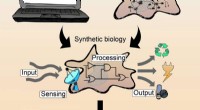
As the demand for platinum grows, research is ongoing to develop more sustainable and environmentally friendly extraction methods. These include bio-mining techniques, using microorganisms to extract platinum from ores, and using cleaner and more efficient refining processes.
In conclusion, extracting platinum is a complex, multi-step process involving various techniques and posing significant environmental challenges. However, ongoing research and technological advancements are paving the way for a more sustainable future for platinum production.