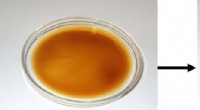
Here's what happens:
* Styrene Monomers: Styrofoam is made from polystyrene, a polymer composed of styrene monomers.
* Gasoline as a Solvent: Gasoline is a good solvent for polystyrene. This means that the gasoline molecules can break down the bonds holding the styrene monomers together.
* Dissolving: The styrene monomers then dissolve into the gasoline, creating a solution.
Important Note: This process is not melting. Melting involves changing the state of a substance from solid to liquid due to heat. Dissolving involves breaking down the structure of a substance and incorporating its components into another substance.
Safety Concerns:
* Flammable: Gasoline is highly flammable and should be handled with extreme caution. Never attempt to mix styrofoam and gasoline near an open flame or heat source.
* Toxic fumes: The fumes produced by dissolving styrofoam in gasoline can be harmful to your health. Always work in a well-ventilated area.
* Environmental Damage: Disposing of the gasoline-styrofoam mixture is hazardous. It is not biodegradable and can contaminate water and soil.
In summary, styrofoam doesn't melt when added to gasoline. Instead, it dissolves due to the solvent properties of gasoline.