Here's why elements in the same group have similar properties:
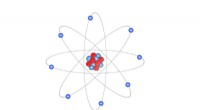
* Same number of valence electrons: Elements in the same group have the same number of electrons in their outermost shell (valence electrons). These electrons are the ones involved in chemical bonding, which largely determines the element's reactivity and how it forms compounds.
* Similar chemical behavior: Because of the same number of valence electrons, elements in the same group tend to share similar chemical properties. They form similar types of compounds and often react in similar ways.
Elements with similar properties to sulfur are:
* Oxygen (O): The most abundant chalcogen. It's also a nonmetal and forms compounds with many elements, including sulfur.
* Selenium (Se): A metalloid with properties similar to sulfur. It's used in photocopying and other industrial applications.
* Tellurium (Te): A metalloid that's less reactive than sulfur. It's used in alloys and solar panels.
* Polonium (Po): A radioactive metalloid. It's very rare and highly toxic.
So, while each element in the chalcogen group has its own unique properties, they share many similarities due to their common electron configuration.