Atoms:
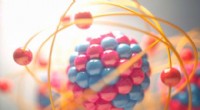
* The fundamental building blocks of matter. They are the smallest unit of an element that retains the chemical properties of that element.
* Made up of protons, neutrons, and electrons.
* Examples: Carbon atoms (C), oxygen atoms (O), gold atoms (Au).
Minerals:
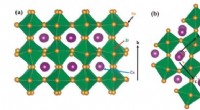
* Naturally occurring, solid substances with a defined chemical composition and a specific crystal structure.
* Composed of two or more elements bonded together chemically.
* Examples: Quartz (SiO₂), diamond (C), gold (Au).
Here's the key difference:
* Atoms are the building blocks of everything, including minerals. A mineral is formed by a specific arrangement of multiple atoms bonded together.
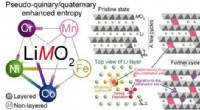
* Minerals have a specific chemical formula and crystal structure, while atoms are the individual components that make up those structures.
Think of it like this:
* Imagine you have a LEGO set. The LEGO bricks are like atoms.
* You can use those LEGO bricks to build a specific structure, like a castle. That castle would be like a mineral. The castle has a specific design (crystal structure) and is made of specific LEGO bricks (elements).
In summary:
* Atoms are the basic building blocks of matter.
* Minerals are specific combinations of atoms arranged in a defined way.