The Chemistry:
1. Decomposition of Hydrogen Peroxide:
- Potassium iodide acts as a catalyst, speeding up the decomposition of hydrogen peroxide. This decomposition releases oxygen gas (O₂) rapidly.
2. Oxygen Production:
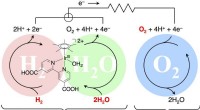
- The reaction is: 2 H₂O₂ → 2 H₂O + O₂
- This means two molecules of hydrogen peroxide break down to form two molecules of water (H₂O) and one molecule of oxygen gas.
3. Foaming Action:
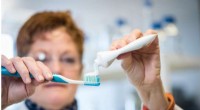
- The washing up liquid traps the rapidly produced oxygen gas, creating a voluminous foam that resembles toothpaste, hence the name "Elephant Toothpaste".
Visual Effects:
* The mixture will foam and bubble vigorously, expanding rapidly out of the container.
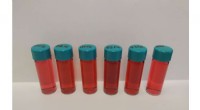
* The foam can be colored with food coloring for a more dramatic effect.
* The reaction is exothermic, meaning it releases heat, which you may feel as the container warms up.
Safety Precautions:
* Wear safety goggles: The reaction can produce splashes.
* Use a large container: The foam can overflow quickly.
* Don't touch the foam: The mixture can irritate skin.
* Supervise children: This experiment should be conducted under adult supervision.
Additional Notes:
* The amount of potassium iodide and hydrogen peroxide will influence the speed and amount of foam produced.
* You can add a bit of dish soap to the mixture to increase the amount of foam.
* The reaction is a classic demonstration of the power of catalysts and the rapid release of gas.
Let me know if you have any further questions!