The States of Matter
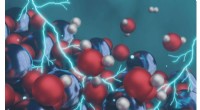
* Solid: Particles are tightly packed and vibrate in fixed positions.
* Liquid: Particles are closer than in a gas, but can move around each other.
* Gas: Particles are far apart and move freely.
Transitions
1. Melting: Solid to Liquid. Heat energy is absorbed, causing particles to vibrate more strongly, breaking free from their fixed positions.
2. Freezing: Liquid to Solid. Heat energy is released, causing particles to slow down and form a more rigid structure.
3. Vaporization/Boiling: Liquid to Gas. Heat energy is absorbed, causing particles to move faster and overcome the forces holding them together.
4. Condensation: Gas to Liquid. Heat energy is released, causing particles to slow down and clump together.
5. Sublimation: Solid to Gas. Heat energy is absorbed, causing particles to bypass the liquid phase and directly become gas.
6. Deposition: Gas to Solid. Heat energy is released, causing particles to bypass the liquid phase and directly become solid.
Factors Influencing State Changes
* Temperature: Higher temperatures provide more energy for particles to move.
* Pressure: Increased pressure forces particles closer together, favoring a more condensed state.
* Intermolecular Forces: The strength of attraction between particles influences the energy required for phase changes.
Think of it this way: Imagine a crowd of people.
* Solid: Everyone is standing close together, tightly packed and barely moving.
* Liquid: People are still close, but can move around each other.
* Gas: Everyone is spread out and moving freely.
Adding energy (like heat) is like giving the crowd more energy to move around. Removing energy (like cooling) is like making them tired and wanting to stand closer together.