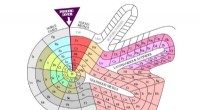
* Electronegativity: Fluorine is the most electronegative element on the periodic table. This means it has a much stronger attraction for electrons than oxygen.
* Electron Affinity: Fluorine has a higher electron affinity than oxygen, meaning it releases more energy when it gains an electron.
* Bond Strength: The F-F bond in fluorine gas is weaker than the O-O bond in oxygen gas. This makes fluorine more likely to break its bond and react with other substances to gain an electron.
In simple terms: Fluorine is so eager to gain an electron to complete its outer shell that it will readily pull electrons away from other elements, oxidizing them in the process.
Examples:
* Fluorine can oxidize water, producing oxygen and hydrofluoric acid.
* Fluorine can react with noble gases like xenon to form compounds like XeF2 and XeF4. These reactions are extremely difficult to achieve with oxygen.
Note: While fluorine is a very strong oxidizer, it's important to remember that both oxygen and fluorine can act as oxidizers depending on the specific chemical reaction.