Early Atmosphere (Primordial Atmosphere):
* Volcanic Outgassing: The early Earth was a hot, molten planet. Volcanoes spewed out gases trapped within the Earth's interior, forming the primordial atmosphere. This included water vapor (H2O), carbon dioxide (CO2), nitrogen (N2), sulfur dioxide (SO2), methane (CH4), and ammonia (NH3).
Evolution of the Modern Atmosphere:
* Photodissociation: Solar radiation broke down water molecules (H2O) in the early atmosphere, releasing hydrogen (H2) into space and leaving oxygen (O2) behind. This process played a key role in creating the oxygen-rich atmosphere we have today.
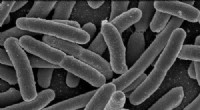
* Photosynthesis: Around 3.5 billion years ago, primitive life forms, such as cyanobacteria, evolved the ability to perform photosynthesis. This process used sunlight to convert water and carbon dioxide into sugars and oxygen, releasing vast quantities of oxygen into the atmosphere. This oxygen eventually accumulated, leading to the "Great Oxidation Event" around 2.5 billion years ago, marking a major shift in Earth's atmospheric composition.
* Nitrogen Fixation: Nitrogen gas (N2), which makes up 78% of our atmosphere, is relatively inert. However, some bacteria have the ability to "fix" nitrogen, converting it into usable forms for other organisms. This process, along with volcanic emissions, continued to replenish the atmosphere with nitrogen over time.
* Geological Processes: Volcanic eruptions still contribute to the atmosphere by releasing gases like carbon dioxide, sulfur dioxide, and water vapor. These gases can influence climate and atmospheric composition.
* Anthropogenic Contributions: Human activities, particularly the burning of fossil fuels, have significantly increased the concentration of greenhouse gases like carbon dioxide, methane, and nitrous oxide in the atmosphere.
Key Gases and Their Origins:
* Nitrogen (N2): Primarily from volcanic outgassing and nitrogen fixation by bacteria.
* Oxygen (O2): Primarily from photosynthesis by plants and algae.
* Carbon Dioxide (CO2): From volcanic outgassing, respiration, and the burning of fossil fuels.
* Argon (Ar): A noble gas, primarily from the radioactive decay of potassium in the Earth's crust.
* Water Vapor (H2O): From evaporation of oceans and lakes, transpiration from plants, and volcanic outgassing.
* Ozone (O3): Formed in the stratosphere by the interaction of ultraviolet radiation with oxygen molecules.
Continuous Change:
The Earth's atmosphere is constantly evolving, with the balance of gases influenced by natural processes and human activities. Understanding the history and evolution of our atmosphere helps us to appreciate its importance and the need to protect it.