Here's how it works:
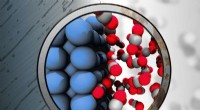
* Molecular Motion: Molecules in a fluid are constantly moving and colliding with each other.
* Temperature Differences: When there is a temperature difference within the fluid, the faster-moving molecules in the warmer areas collide with the slower-moving molecules in the cooler areas.
* Energy Transfer: This collision process transfers energy from the warmer to the cooler regions.
* Fluid Flow: The transfer of heat through convection often involves the movement of the fluid itself. Warmer, less dense fluid tends to rise, while cooler, denser fluid sinks. This creates a cycle of movement that helps distribute heat throughout the fluid.
Types of Convection:
* Natural convection: Driven by buoyancy forces caused by density differences. Think of a pot of water on the stove, where the warmer water at the bottom rises.
* Forced convection: Driven by external forces like fans or pumps. This is how your home's furnace distributes heat, or how a car's radiator uses fans to cool the engine.
Examples of Convection:
* Boiling water: Heat transfers from the stove to the pot, then through the water by convection.
* Wind: Convection currents in the atmosphere create winds.
* Ocean currents: Convection plays a major role in ocean currents, distributing heat around the globe.
* Cooling a computer: Fans force air past the computer's components, removing heat by convection.
Let me know if you'd like a deeper dive into any specific aspect of convection!