Here's a general representation:
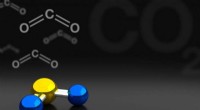
A + B → AB
* A and B are the reactants (the substances that combine).
* AB is the product (the single substance formed).
Examples of synthesis reactions:
* Formation of water:
* 2H₂ (hydrogen gas) + O₂ (oxygen gas) → 2H₂O (water)
* Formation of sodium chloride:
* 2Na (sodium) + Cl₂ (chlorine gas) → 2NaCl (sodium chloride)
* Formation of iron oxide (rust):
* 4Fe (iron) + 3O₂ (oxygen gas) → 2Fe₂O₃ (iron oxide)
Key characteristics of synthesis reactions:
* Two or more reactants combine to form one product.
* The reaction often involves the release of energy (exothermic reaction).
* The product is usually a compound with a different chemical structure than the reactants.