Here's why:
* Electrostatic Attraction: Lithium is a highly electropositive element (tends to lose electrons), while oxygen is highly electronegative (tends to gain electrons). This difference in electronegativity leads to a strong electrostatic attraction between lithium and oxygen ions, forming an ionic bond.
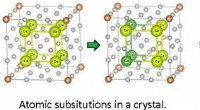
* Ionic Bonding: Lithium oxide is an ionic compound where lithium atoms lose one electron each to form Li⁺ ions, and oxygen atoms gain two electrons each to form O²⁻ ions. These ions then arrange themselves in a crystal lattice structure, held together by electrostatic forces.
Properties of Lithium Oxide:
* White solid: Lithium oxide is a white, crystalline solid at room temperature.
* High melting point: It has a high melting point of 1570°C due to the strong ionic bonding.
* Reacts with water: Lithium oxide reacts vigorously with water to form lithium hydroxide (LiOH) and releases heat.
Uses of Lithium Oxide:
* Ceramics: It is used in the production of ceramics, glass, and enamels.
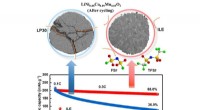
* Batteries: Lithium oxide is a component in some types of lithium-ion batteries.
* Lubricants: It is used as a high-temperature lubricant.
So, in conclusion, lithium oxide is a stable compound formed by the reaction of lithium and oxygen, and it finds various applications in different industries.