Electrolysis: This is the most common method, involving passing an electric current through water. The electric current provides the energy to break the chemical bonds holding the hydrogen and oxygen atoms together. This is a clean and efficient method, but requires energy input.
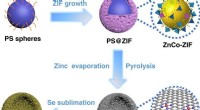
Photocatalysis: Using a photocatalyst, like titanium dioxide, and sunlight, water molecules can be split. The catalyst absorbs sunlight and uses its energy to break the water molecules. This method is still under development but holds potential for a sustainable way to produce hydrogen.
Thermochemical Cycles: This method uses heat to break down water, typically involving a series of chemical reactions with different materials. While this method can be very efficient, it requires high temperatures and is not yet widely used.
Other Methods:
* Solar Water Splitting: Using specialized materials and sunlight, water can be directly split into hydrogen and oxygen.
* Biomass Gasification: Burning biomass like wood or agricultural waste produces syngas, which contains hydrogen and carbon monoxide. Hydrogen can be separated from this mixture.
Factors to Consider:
* Efficiency: The amount of energy required to produce a certain amount of hydrogen.
* Cost: The cost of equipment and materials for the splitting process.
* Environmental Impact: The impact of the method on the environment, such as greenhouse gas emissions.
Applications:
* Fuel Cells: Hydrogen produced from water splitting can be used as a fuel for electric vehicles and other applications.
* Chemical Industry: Hydrogen is used as a raw material in many industrial processes, including ammonia production and oil refining.
* Energy Storage: Hydrogen can be stored and used later as an energy source, making it a viable option for renewable energy storage.
The best method for splitting water depends on the specific application and the available resources.