* EDTA as a Chelating Agent: EDTA (ethylenediaminetetraacetic acid) is a powerful chelating agent, meaning it can bind to metal ions, forming stable complexes. This ability is essential in various applications, such as:
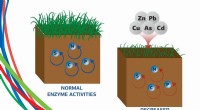
* Water Treatment: Removing heavy metals from water.
* Analytical Chemistry: Titrating metal ions for quantitative analysis.
* Pharmaceuticals: Stabilizing metal-containing medications.
* EDTA's pH Dependence: EDTA's chelating ability is strongly influenced by pH. In acidic conditions, EDTA exists primarily in its protonated form (H4Y), which is a weaker chelator. As the pH increases, EDTA deprotonates, forming the anionic forms (H3Y-, H2Y2-, HY3-, and Y4-) which are much stronger chelating agents.
* Role of Ammonia: Ammonia is a weak base. Adding ammonia solution to EDTA solution raises the pH, favoring the formation of the deprotonated, strongly chelating forms of EDTA. This increases EDTA's effectiveness in binding metal ions.
In summary: Ammonia solution is added to EDTA solution to:
* Maximize EDTA's chelating capacity: By increasing the pH, ammonia promotes the formation of EDTA's highly reactive anionic forms.
* Ensure optimal performance: The specific pH required will depend on the application, but ammonia helps achieve the desired pH for efficient metal chelation.
Important Note: The amount of ammonia solution added should be carefully controlled to reach the desired pH for the specific application. Excessive ammonia can affect the solution's stability and performance.