Here's a breakdown:
Sulfur Dioxide (SO2):
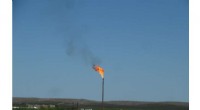
* Fossil Fuel Combustion: The largest source of SO2 is the burning of fossil fuels, primarily coal, in power plants for electricity generation.
* Industrial Processes: Industrial activities like metal smelting, oil refining, and paper manufacturing also release significant amounts of SO2.
Nitrogen Oxides (NOx):
* Combustion Processes: NOx is formed during the high-temperature combustion of fossil fuels in power plants, vehicles, and industrial processes.
* Transportation: Motor vehicles, particularly diesel engines, are a major contributor to NOx emissions.
* Industrial Activities: Various industrial processes, such as the production of chemicals, contribute to NOx emissions.
How These Gases Contribute to Acid Rain:
* Chemical Reactions in the Atmosphere: Once released into the atmosphere, SO2 and NOx react with water, oxygen, and other substances to form sulfuric acid (H2SO4) and nitric acid (HNO3).
* Acid Precipitation: These acids are then carried by wind and rain, fog, or snow to the ground, resulting in acid rain.
Other Gases that Contribute to Acid Rain:
* Ammonium (NH3): Although less significant than SO2 and NOx, ammonia is another gas that contributes to acid rain. It's released from agricultural sources, like fertilizers, and industrial processes.
Understanding the Sources of Acid Rain is Crucial:
* Reducing Emissions: By reducing emissions of SO2 and NOx, we can significantly minimize the formation of acid rain and its harmful effects on the environment.
* Environmental Protection: Acid rain can damage forests, lakes, and other ecosystems.
* Public Health: It can also contribute to respiratory problems and other health issues.
By implementing policies to reduce fossil fuel reliance, improve industrial practices, and promote cleaner transportation, we can combat acid rain and protect our environment and health.