1. Elemental Carbon: This refers to carbon in its purest form, uncombined with other elements. There are several allotropes (different structural forms) of elemental carbon, including:
* Diamond: A crystalline form of carbon with a very strong and rigid structure. It's the hardest naturally occurring material.
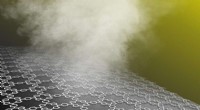
* Graphite: A layered structure of carbon atoms, where the layers are weakly bonded. This makes it soft and slippery, useful as a lubricant and in pencils.
* Fullerene: A cage-like structure of carbon atoms. The most common fullerene is buckminsterfullerene (C60), shaped like a soccer ball.
* Carbon nanotubes: Long, cylindrical structures of carbon atoms, with remarkable strength and electrical conductivity.
* Amorphous carbon: Carbon without a crystalline structure, like soot or charcoal.
2. Carbon with Minimal Impurities: This refers to carbon materials that are mostly pure, but may contain trace amounts of other elements. Examples include:
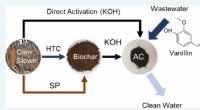
* Activated carbon: A highly porous form of carbon with a large surface area, often used for filtering and absorbing substances.
* Carbon black: A finely divided form of carbon produced by burning hydrocarbons, used as a pigment and in rubber.
* Graphene: A single layer of graphite, a two-dimensional material with exceptional properties.
In general, the term "pure carbon" usually refers to elemental carbon in its various allotropic forms. However, depending on the context, it may also refer to carbon materials with minimal impurities.