Here's a breakdown:
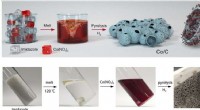
* Reaction: The reaction that takes place is a double displacement reaction. This means that the positive and negative ions of the two reactants switch partners.
* Products: The products of this reaction are:
* Copper(II) chloride (CuCl₂): This is a light blue to green solid that is soluble in water.
* Sodium sulfate (Na₂SO₄): This is a white solid that is also soluble in water.
* Equation: The balanced chemical equation for the reaction is:
```
2 NaCl (aq) + CuSO₄ (aq) → CuCl₂ (aq) + Na₂SO₄ (aq)
```
* Observations:
* Color Change: The blue color of the copper sulfate solution will fade as copper chloride forms.
* Precipitate: Depending on the concentrations of the reactants, a light blue precipitate (CuCl₂) might form if the solution is saturated with copper chloride.
* Heat: The reaction is slightly exothermic, meaning it releases a small amount of heat, which can be felt as a slight warming of the solution.
Important Note: The reaction between sodium chloride and copper sulfate is not very dramatic or visually striking. The color change is subtle, and the precipitate may not be readily noticeable.
Overall: The mixing of sodium chloride and blue copper sulfate results in a chemical reaction that produces copper chloride and sodium sulfate. The solution may change color slightly and a precipitate may form, depending on the concentrations of the reactants.