1. Reduction:
This is the most common method for obtaining metals from their oxides. It involves reacting the metal oxide with a reducing agent, which removes the oxygen from the oxide, leaving behind the pure metal.
* Carbon Reduction: This is widely used for extracting metals like iron, zinc, and tin from their oxides. Carbon (in the form of coke or charcoal) acts as the reducing agent.
* Example: Fe₂O₃ (iron oxide) + 3C (carbon) → 2Fe (iron) + 3CO (carbon monoxide)
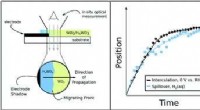
* Hydrogen Reduction: This method is used for metals like tungsten and molybdenum. Hydrogen gas acts as the reducing agent at high temperatures.
* Example: WO₃ (tungsten oxide) + 3H₂ (hydrogen) → W (tungsten) + 3H₂O (water)
* Electrolytic Reduction: This method is used for highly reactive metals like aluminum and sodium, which cannot be reduced by carbon. Electrolysis uses an electric current to drive a chemical reaction.
* Example: 2Al₂O₃ (aluminum oxide) → 4Al (aluminum) + 3O₂ (oxygen)
2. Thermal Decomposition:
This method involves heating the metal oxide to a high temperature, causing it to break down into the metal and oxygen. This is mainly used for oxides of less reactive metals like mercury.
* Example: 2HgO (mercury oxide) → 2Hg (mercury) + O₂ (oxygen)
3. Other Methods:
* Hydrometallurgy: This method involves dissolving the metal oxide in a suitable solvent and then extracting the metal using a chemical reaction.
* Bioleaching: This method uses microorganisms to extract metals from their ores.
The specific process used for a particular metal depends on its reactivity, the availability of suitable reducing agents, and the economic feasibility of the method.