Chemical Weathering
* How it works: Chemical weathering involves changes in the chemical composition of rocks. This can be caused by reactions with water, oxygen, acids, and other chemicals.
* Plants' role:
* Organic Acids: Plants release organic acids (like oxalic acid) through their roots as they absorb nutrients from the soil. These acids can dissolve minerals in rocks, breaking them down.
* Lichen: Lichens, which are symbiotic relationships between fungi and algae, produce acids that can break down rock surfaces.
Physical Weathering
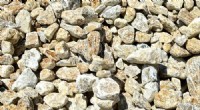
* How it works: Physical weathering involves the mechanical breakdown of rocks into smaller pieces. This can be caused by forces like freezing/thawing, abrasion, and root wedging.
* Plants' role: Plants don't directly cause physical weathering in the same way as freezing or abrasion. However, they can contribute to it indirectly:
* Root Wedging: As plant roots grow, they can exert pressure on cracks in rocks. If the pressure is strong enough, it can widen the cracks and break the rock.
* Biological Weathering: This is a broad term that includes both chemical and physical weathering caused by living organisms, like the breakdown of rocks by burrowing animals or the physical force of tree roots.
In summary:
* Chemicals from plants contribute to chemical weathering by dissolving minerals in rocks.
* Plants can also contribute indirectly to physical weathering through root wedging and biological weathering.