* Electronegativity: Iron has a lower electronegativity than sulfur. This means iron is more likely to lose electrons and become a cation (positively charged ion). Sulfur, on the other hand, is more likely to gain electrons and become an anion (negatively charged ion).
* Reactivity with Oxygen: Iron readily reacts with oxygen to form iron oxides (like rust), while sulfur reacts with oxygen to form sulfur dioxide, a gas. This difference in reactivity with oxygen highlights iron's higher reactivity.
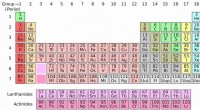
* Position in the Periodic Table: Iron is a transition metal, while sulfur is a nonmetal. Transition metals are generally more reactive than nonmetals.
In summary: Iron's lower electronegativity, its tendency to lose electrons, and its position in the periodic table all contribute to its higher reactivity compared to sulfur.