Evaporation:
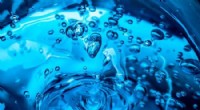
* From liquid to gas: This is the process where a liquid changes into a gas.
* How it happens: Molecules in a liquid are constantly moving. Some of them have enough energy to escape the surface of the liquid and become gas molecules.
* Factors that affect evaporation:
* Temperature: Higher temperatures mean more energy for molecules, so evaporation happens faster.
* Surface area: A larger surface area allows more molecules to escape.
* Humidity: If the air is already saturated with water vapor, evaporation slows down.
Condensation:
* From gas to liquid: This is the process where a gas changes into a liquid.
* How it happens: Gas molecules collide with surfaces, lose energy, and slow down. When they slow down enough, they can form bonds and become liquid.
* Factors that affect condensation:
* Temperature: Cooler temperatures allow gas molecules to slow down and condense.
* Pressure: Higher pressure forces gas molecules closer together, making condensation more likely.
The cycle:
Evaporation and condensation are constantly happening, creating a cycle. This is a fundamental process in the water cycle, for example:
1. Evaporation: Water in oceans, lakes, and rivers evaporates into the atmosphere.
2. Condensation: As the water vapor rises and cools, it condenses into clouds.
3. Precipitation: When the water droplets in clouds become large enough, they fall as rain, snow, or hail.
4. Collection: The water that falls to the Earth collects in oceans, lakes, and rivers, and the cycle starts again.
In summary: Evaporation and condensation are opposite processes, with one changing a substance from a liquid to a gas, and the other changing it from a gas back to a liquid.