Why it's useful:
* Energy production: Burning fuels releases a large amount of energy in the form of heat and light. This energy can be harnessed for various purposes:
* Electricity generation: Burning fossil fuels (coal, oil, natural gas) in power plants generates electricity.
* Transportation: Internal combustion engines in cars, trucks, and planes rely on burning fuel (gasoline, diesel) to power them.
* Heating and cooking: Burning wood, propane, and natural gas provides heat for homes and businesses.
* Industrial processes: Many industries use fuel combustion for heat and energy in processes like steel production, cement manufacturing, and chemical synthesis.
Why it's not always ideal:
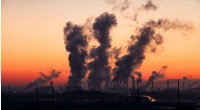
* Environmental impact: Burning fossil fuels releases greenhouse gases (like carbon dioxide) into the atmosphere, contributing to climate change. This makes them a significant environmental concern.
* Resource depletion: Fossil fuels are finite resources, meaning we will eventually run out of them. This is another reason to explore alternative energy sources.
* Pollution: Burning fuels can produce air pollutants like particulate matter, sulfur dioxide, and nitrogen oxides, which have adverse effects on human health and the environment.
Conclusion:
Burning fuel is a useful chemical reaction for energy production, but its downsides, particularly its environmental impact, necessitate a shift towards cleaner and more sustainable energy sources.