Here's how it works:
1. Raw rubber consists of long, chain-like molecules called polymers. These chains are loosely entangled, making the rubber weak and easily deformable.
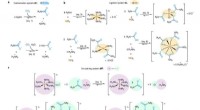
2. During vulcanization, sulfur is added to the rubber along with other additives and heated.
3. The sulfur atoms react with the rubber molecules, forming strong cross-links between the polymer chains. These cross-links act like bridges, holding the chains together and creating a more rigid and stable structure.
4. The number of sulfur cross-links directly influences the properties of the vulcanized rubber. More cross-links result in a harder, less flexible material, while fewer cross-links produce a softer, more flexible rubber.
Here are the key benefits of using sulfur in vulcanization:
* Increased strength and durability: Cross-linking makes the rubber stronger, less likely to tear or break, and more resistant to abrasion.
* Improved elasticity: The cross-links allow the rubber to stretch and return to its original shape more effectively.
* Enhanced resistance to heat and chemicals: Vulcanized rubber is more resistant to degradation from heat, solvents, and other chemicals.
* Reduced stickiness: Sulfur cross-linking reduces the stickiness of raw rubber, making it easier to handle and process.
In summary, sulfur is essential for vulcanization because it creates strong cross-links between rubber molecules, giving the material its desired strength, elasticity, and durability. This process has revolutionized the use of rubber in various industries, enabling the production of tires, hoses, belts, and many other essential products.