* Ionic Bonding: Sodium chloride forms through ionic bonding. This means that sodium (Na) atoms lose one electron to become positively charged sodium ions (Na+), while chlorine (Cl) atoms gain one electron to become negatively charged chloride ions (Cl-).
* Equal and Opposite Charges: Since one sodium atom loses one electron and one chlorine atom gains one electron, the resulting ions have equal and opposite charges. This creates a balance, resulting in an overall neutral charge.
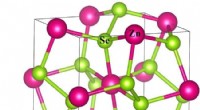
* Crystal Lattice: In a sodium chloride crystal, the positively charged sodium ions and negatively charged chloride ions arrange themselves in a regular, repeating pattern called a crystal lattice. The attraction between oppositely charged ions holds the lattice together.
In essence, the equal and opposite charges of the sodium and chloride ions within the crystal lattice cancel each other out, making sodium chloride electrically neutral.